

Quick Answer
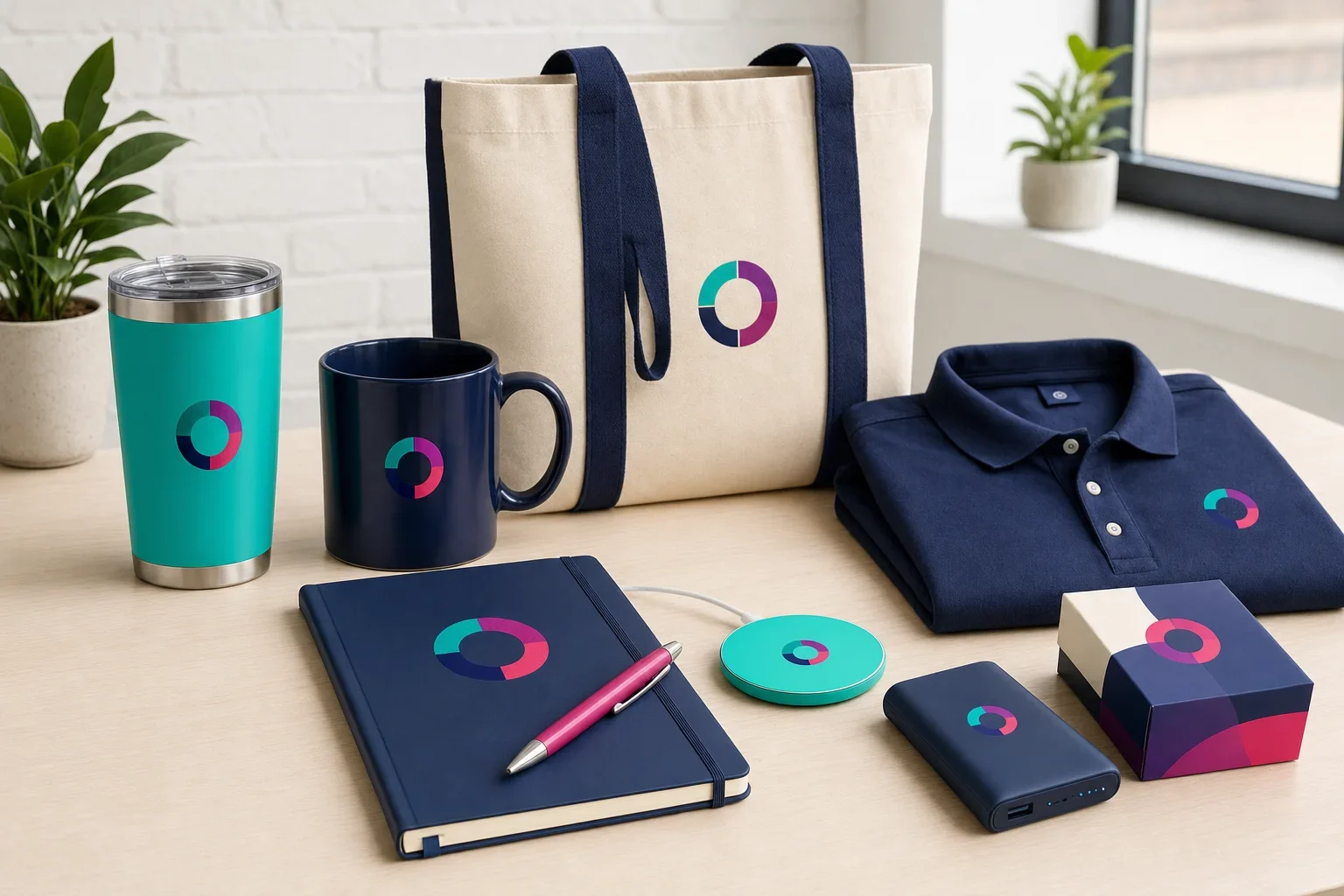
The best promotional products are chosen by matching the item to the audience, goal, setting, budget, and brand message. A product does not have to be expensive to work, but it should be useful, appropriate, and something the recipient is likely to keep.
Promotional products work best when they feel intentional. A pen, tote bag, tumbler, notebook, jacket, or tech accessory can all be effective, but only when the product makes sense for the person receiving it.
That is where many businesses get stuck. With thousands of custom products available, it can be tempting to start by browsing categories and picking whatever looks popular. But choosing promotional products is easier when you start with a few strategic questions.
Who will receive the item? Where will they use it? What do you want them to remember? How long should the product last? What does the item say about your brand?
This guide walks through how to choose promotional products that are useful, memorable, and aligned with your marketing goals.
Start With Your Audience
The right promotional product depends first on the person receiving it. A product that works well for one audience may not make sense for another.
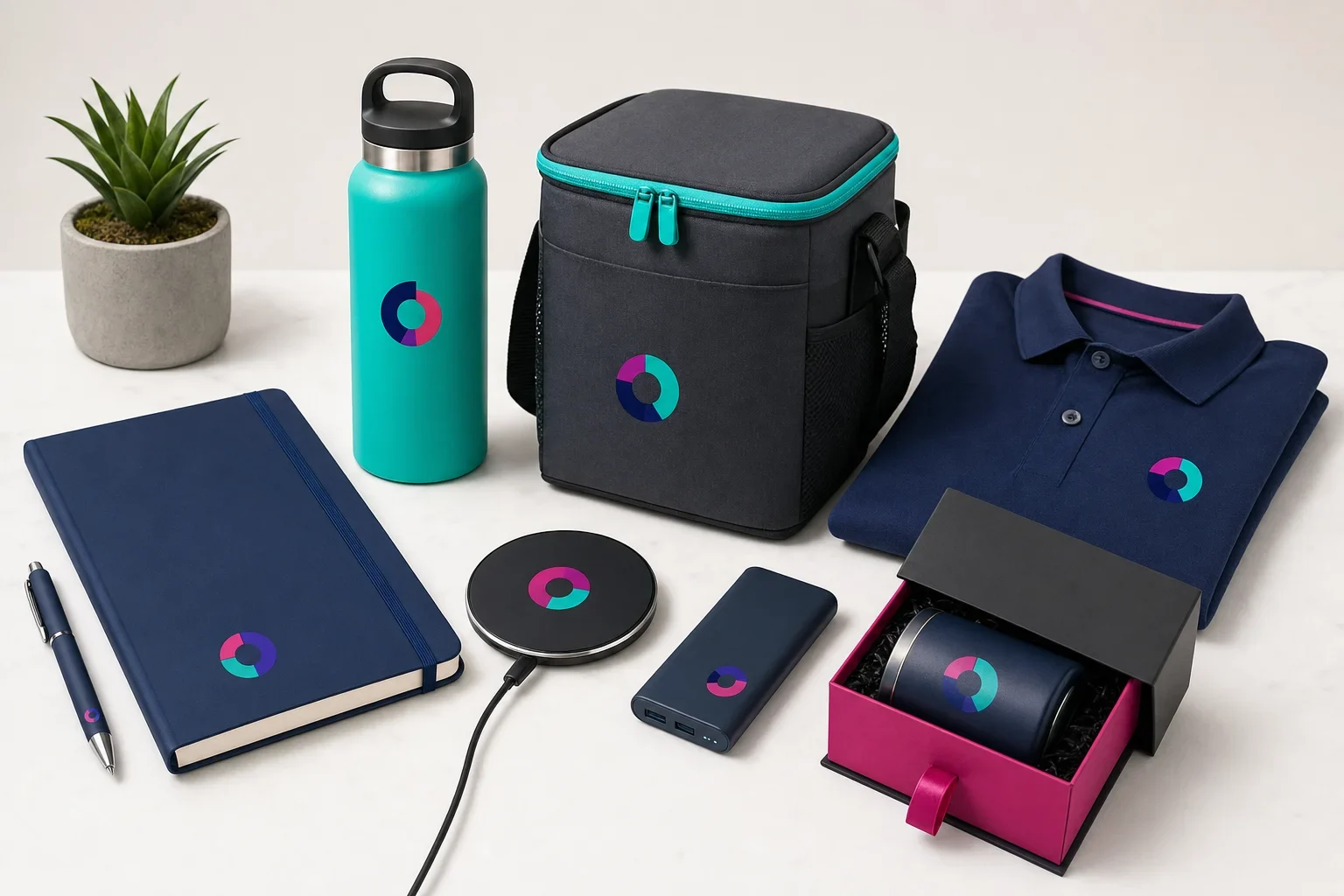
For example, a construction company may get strong results from safety gear, workwear, coolers, or durable drinkware. A technology company might prefer wireless chargers, backpacks, notebooks, or premium desk accessories. A healthcare organization may need practical items like badge reels, hand sanitizer, pens, wellness products, or employee appreciation gifts.
Before choosing a product, think about the recipient's daily routine. The more naturally the item fits into their life, the more likely they are to keep and use it.
Audience Questions to Ask First
A useful product starts with a clear picture of the recipient.
Who are they?
Customers, employees, prospects, event attendees, donors, students, patients, or business partners may all need different items.
Where will they use it?
Office, home, car, gym, job site, trade show, school, travel, or outdoor use can change which products make sense.
What do they value?
Some audiences care most about usefulness. Others may respond better to premium quality, eco-friendly materials, or convenience.
Define the Goal of the Promotion
Promotional products can support many different goals. The product you choose should match what you are trying to accomplish.
A low-cost giveaway may be perfect for a large trade show where you want to reach as many people as possible. A higher-end gift may be better for thanking important clients. A new employee welcome kit should feel practical, useful, and connected to your company culture.
When the goal is clear, the product choice becomes much easier.
Match the Product to the Goal
Different marketing goals call for different types of promotional products.
Think About Where the Product Will Be Used
A promotional product becomes more valuable when it fits naturally into a specific setting.
Desk items are great for office workers. Drinkware works well for commuters, employees, students, and event attendees. Bags are useful for trade shows, conferences, schools, retail events, and travel. Apparel can create team identity and visibility when the quality and fit are right.
Instead of asking only whether a product looks nice, ask where it will live after it is handed out.
Balance Budget, Quantity, and Quality
Budget is important, but the cheapest item is not always the best value.
A very inexpensive giveaway can make sense when you need large quantities for a public event. But if the item is poor quality or unlikely to be kept, it may not create much long-term value.
On the other hand, a premium promotional product given to fewer people can create a stronger impression, especially for client gifts, employee appreciation, sales meetings, and executive events.
The right balance depends on your goal.
Budget Strategy: Reach vs. Impact
A good promotional product budget is not just about the lowest price. It is about matching spend to purpose.
Low-Cost Giveaways
Best for large events, awareness campaigns, school fairs, community events, and broad distribution.
Mid-Range Products
Best for useful everyday items like drinkware, bags, notebooks, desk accessories, and employee gifts.
Premium Gifts
Best for client appreciation, executive gifts, sales meetings, milestone events, and high-value relationships.
Choose Products People Will Actually Keep
The best promotional products usually solve a small everyday problem.
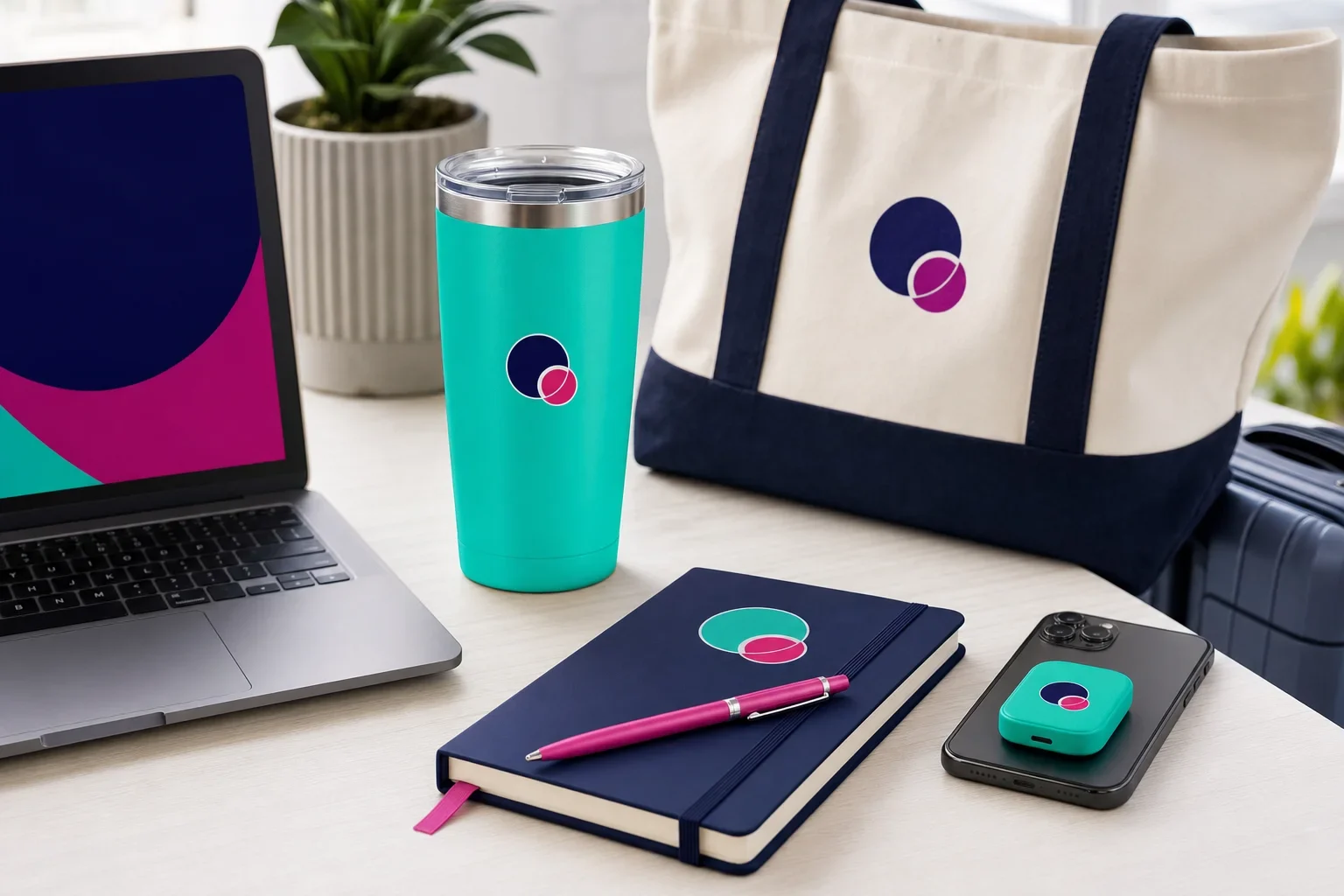
A tote bag carries groceries or event materials. A tumbler keeps drinks cold. A notebook captures ideas. A charger helps when a phone battery is low. A jacket or hoodie adds comfort and visibility. A good pen is always useful.
Products are more likely to be kept when they are practical, attractive, and appropriate for the recipient.
Helpful way to think about it
Before ordering, ask yourself: “Would someone still want this if our logo were not on it?” If the answer is yes, you are probably looking at a stronger promotional product.
Consider Your Brand Image
Every promotional product says something about your business.
A premium stainless steel tumbler feels different from a basic plastic cup. A soft embroidered polo feels different from a disposable giveaway. A recycled tote bag can support a sustainability message. A tech accessory can make a brand feel modern and useful.
The product should fit the impression you want people to have of your organization.
What Should the Product Communicate?
The item itself becomes part of your brand message.
Weak Fit
- Chosen only because it is cheap
- Does not match the audience
- Feels unrelated to your brand
- Likely to be discarded quickly
Strong Fit
- Useful for the recipient
- Matches the campaign goal
- Reflects your brand personality
- Likely to be kept and used
Think About Logo Placement and Decoration Method
The product is only part of the decision. You also need to think about how your logo or artwork will look on the item.
Some products are best for simple one-color logos. Others are better for full-color artwork. Apparel may use screen printing, embroidery, transfers, or direct-to-garment printing depending on the design, fabric, quantity, and budget. Hard goods may use pad printing, laser engraving, full-color digital printing, or decals.
If your logo has small details, gradients, thin lines, or many colors, the decoration method matters even more.
For more help, read our guide on which decoration method to choose and our artwork guide on what vector artwork is.
Product + Artwork + Decoration
A great finished product depends on all three pieces working together.
Plan Ahead for Production and Shipping
Promotional products are custom items, so timing matters.
Most orders require artwork preparation, proof approval, production time, and shipping time. Some items can be produced quickly, while others need more lead time because of inventory, decoration method, order size, or shipping distance.
If you need products for a specific event, it is always better to start early. Planning ahead gives you more product choices, more decoration options, and less stress.
Simple Ordering Timeline
Every custom order moves through a few important steps before it arrives.
Common Mistakes to Avoid
Choosing promotional products becomes much easier when you know what to avoid.
- Choosing only by lowest price without considering usefulness
- Ordering an item that does not match the audience
- Waiting too long before an event
- Using low-quality artwork that may not print clearly
- Choosing a product that does not fit your brand image
- Ignoring packaging, presentation, or delivery needs
- Trying to print a complex logo on an item with a small imprint area
A Simple Checklist for Choosing Promotional Products
Before placing an order, use this checklist to narrow your options.
Promotional Product Selection Checklist
A strong product choice should answer yes to most of these questions.
Audience
Does this item make sense for the people receiving it?
Usefulness
Will the recipient actually keep and use the product?
Brand Fit
Does the product support the impression you want to make?
Budget
Does the item balance cost, quantity, quality, and impact?
Artwork
Will your logo reproduce clearly on this item?
Timing
Can the product be produced and shipped before your deadline?
The Bottom Line
The best promotional products are not chosen randomly. They are chosen because they fit the audience, support the goal, represent the brand well, and provide real value to the person receiving them.
A useful, well-matched promotional product can keep your brand visible long after the original campaign, event, or gift moment has passed.
Choose with purpose
Start with the audience, define the goal, choose something useful, and make sure the product, artwork, and decoration method work together.
The right promotional product is not just branded. It is useful, relevant, and remembered.
Need help choosing promotional products?
Purple Pie Promos can help you narrow down the options and find useful branded products that fit your audience, budget, timeline, and event.
Request Help Choosing Products