

Quick Answer
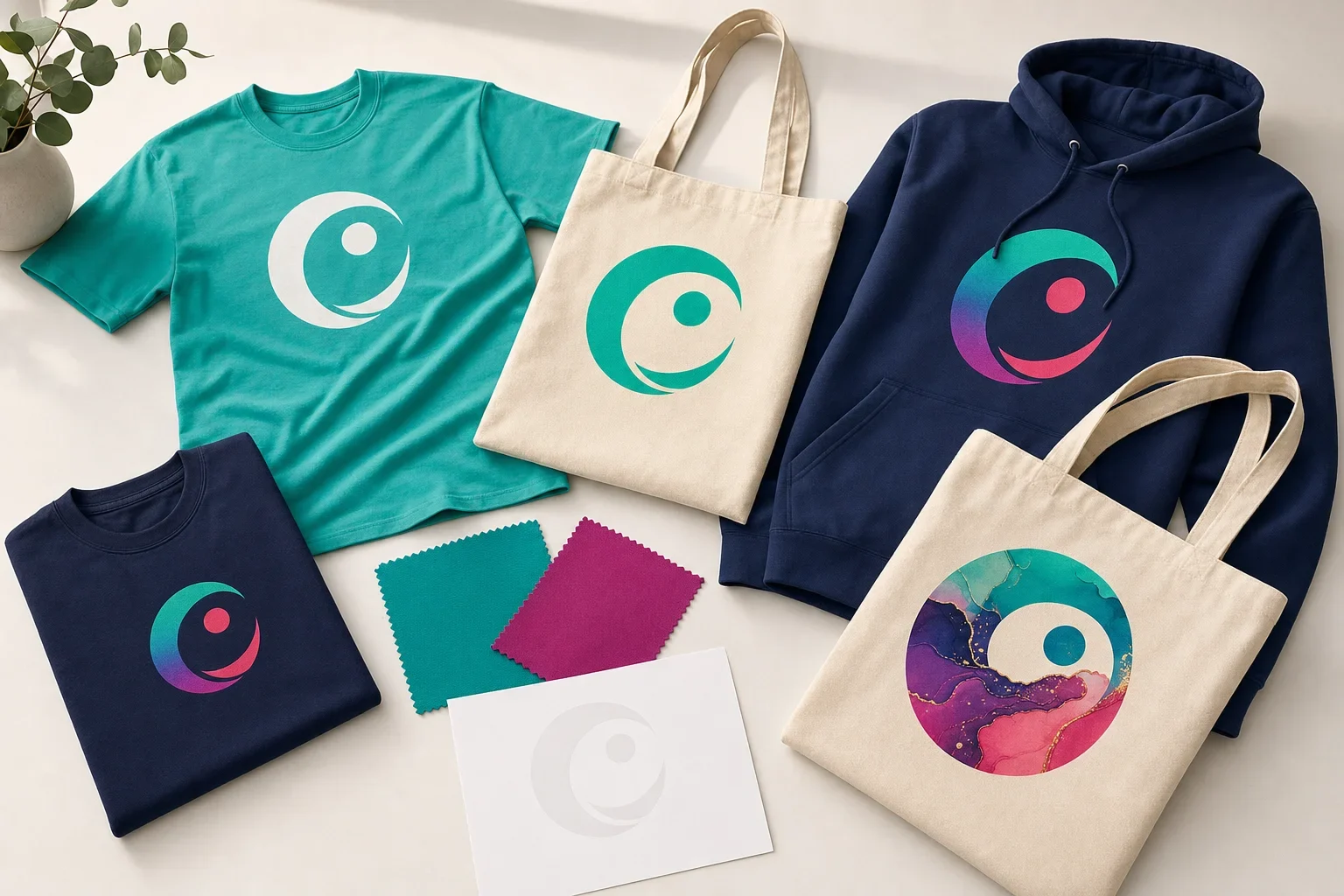
Screen printing is usually best for simple, bold artwork with one color or a limited number of solid colors. Transfers are often better when your logo has multiple colors, gradients, small details, or full color artwork. Many promotional products only allow a 1-color screen print, but may allow a multi-color or full color transfer. The right choice depends on the product, material, artwork, quantity, and desired finished look.
Screen printing and transfers are both popular decoration methods, especially for apparel, tote bags, coolers, blankets, and other fabric promotional products.
The confusing part is that some products offer both options. A product page may show “screen print” and “transfer” as available decoration methods, but that does not mean both methods can reproduce the same logo in the same way.
For many items, screen printing may only allow a simple 1-color imprint. If your logo has two colors, three colors, four colors, gradients, shadows, or full color artwork, a transfer may be the better option, or the only realistic option.
This guide explains the difference between screen printing and transfers, why one may be better than the other, and why choosing a transfer does not mean you are choosing a lower-quality decoration method.
You do not have to choose perfectly
If you are not sure whether your logo should be screen printed or transferred, that is completely normal. Purple Pie Promos reviews your artwork, product, imprint area, and available decoration options before production. If screen printing will not reproduce your logo well, or if a transfer would create a better result, we will help guide you before the order moves forward.
What Is Screen Printing?
Screen printing uses ink pushed through a mesh screen to apply a design directly to a product. It is one of the most common decoration methods for t-shirts, sweatshirts, tote bags, and many fabric items.
Screen printing works best with simple artwork, solid colors, and designs that do not require very fine detail. It is especially strong for one-color logos, bold graphics, event shirts, basic tote bags, and larger quantity orders.
On many promotional products, screen printing may be limited to one imprint color. That means the method may work beautifully for a simple one-color logo, but not for a logo that needs multiple colors or full color artwork.
Screen Printing at a Glance
A strong choice for simple, bold artwork on compatible products.
Best For
Simple logos, solid colors, t-shirts, tote bags, event shirts, and larger runs.
Strengths
Bold, familiar, cost-effective for many simple designs, and widely available.
Watch Out For
Multiple colors, gradients, shadows, tiny details, and full color artwork.
What Is a Transfer?
A transfer is a decoration method where the artwork is produced separately and then applied to the product with heat, pressure, or another application process.
Transfers are commonly used on apparel, tote bags, coolers, blankets, and other fabric or soft goods. They can be especially helpful when artwork has multiple colors, fine details, gradients, or full color elements.
Instead of building the design one screen color at a time, a transfer can often reproduce more complex artwork in a single decoration application. This is why a product may only offer 1-color screen print but allow a multi-color or full color transfer.
Transfers at a Glance
A strong choice when the artwork needs more color or detail than screen printing can support.
Best For
Multi-color logos, full color artwork, gradients, detailed designs, and some smaller quantity orders.
Strengths
Can support more colors, more detail, and artwork that may not work as a simple screen print.
Watch Out For
Print feel, heat sensitivity, product compatibility, and large solid areas of artwork.
Why Would I Choose a Transfer If Screen Printing Is Available?
This is one of the most common questions customers have.
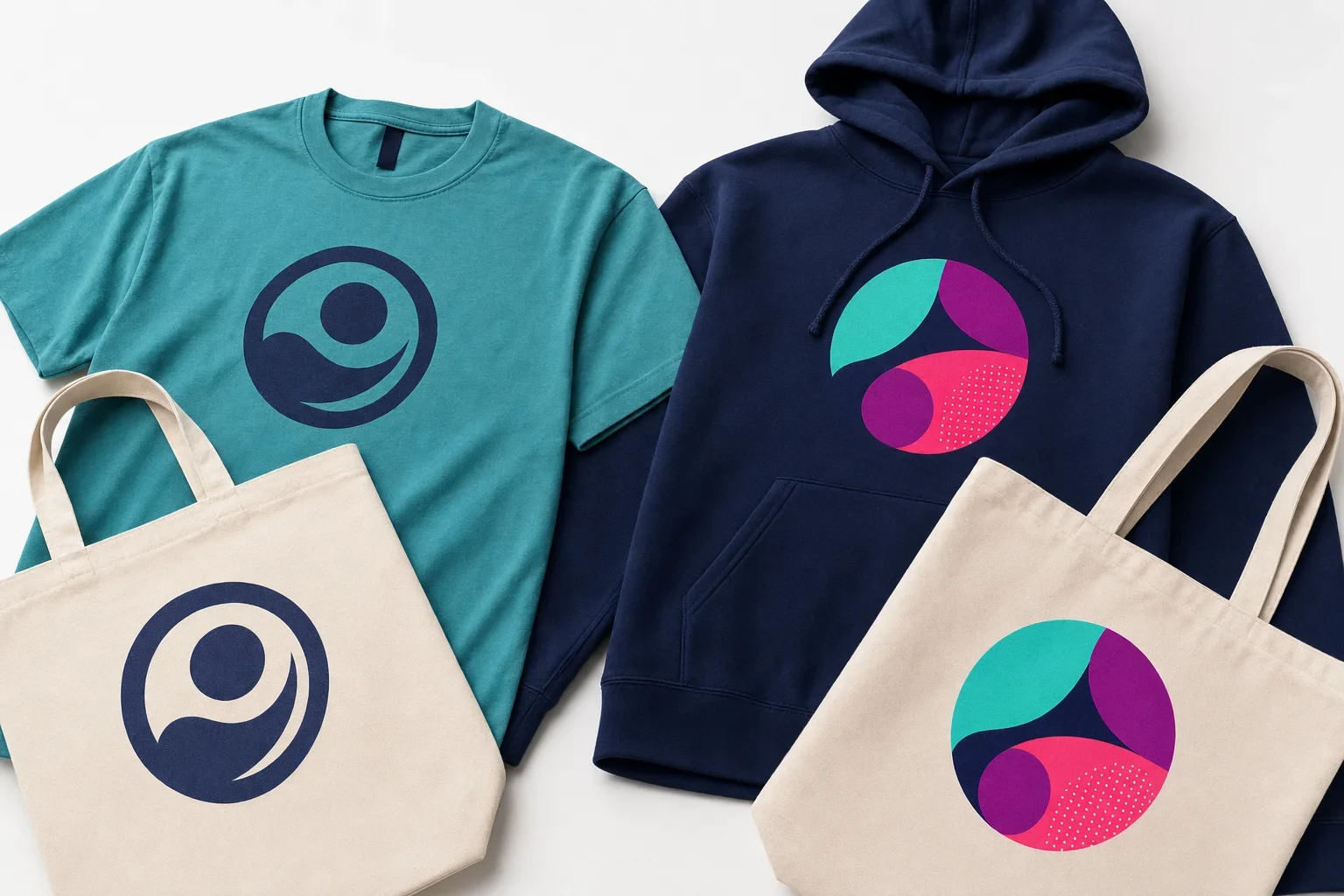
If a product offers screen printing, it may seem like screen printing should automatically be the best choice. But the available screen print option may only allow a simple one-color imprint. If your logo has multiple colors, gradients, small text, thin lines, shadows, or full color artwork, screen printing may not reproduce it properly.
In that situation, a transfer may be used because it can handle more detail and color than the screen print option available on that specific item.
Helpful way to think about it
Screen printing is often best when the artwork is simple. Transfers are often best when the artwork needs more color, detail, or flexibility than the screen print option can provide.
Why Transfers Are Sometimes the Better Choice
A transfer is not a backup plan. It can be the right method for the artwork.
Screen Printing vs Transfers: Main Differences
The main difference is how the design is applied. Screen printing applies ink directly through a screen. A transfer is produced separately and then applied to the product.
That difference affects color capability, artwork detail, setup, feel, quantity, and which products can use each method.
Screen Printing vs Transfers
The right method depends on the artwork and the product.
Screen Printing
- Best for simple artwork
- Often limited to one color on many products
- Great for bold solid designs
- Can be efficient for larger quantities
Transfers
- Better for multi-color artwork
- Can support full color designs
- Useful for detailed logos
- Can be practical for smaller or mixed orders
When Screen Printing Is Usually Best
Screen printing is usually the better choice when the artwork is simple, bold, and compatible with the product's imprint area.
If your logo is one color, has clean lines, and does not need gradients or fine detail, screen printing can create a strong finished look. It can also be cost-effective for larger orders because the setup cost is spread across more pieces.
Good Fit for Screen Printing
Screen printing works best when the design is clean and straightforward.
One-Color Logos
Simple one-color designs are often ideal for screen printing.
Solid Shapes
Bold artwork with clean edges usually reproduces better than tiny details.
Larger Quantities
Screen printing can become more efficient as quantity increases.
Flat or Fabric Items
T-shirts, basic tote bags, and certain fabric items are common screen print candidates.
When Transfers Are Usually Best
Transfers are usually better when the artwork needs more color or detail than screen printing can support on that product.
If your logo has multiple colors, gradients, shadows, outlines, small text, or a more complex layout, a transfer may produce a cleaner result. Transfers can also be useful when the product's screen print option is limited to one color but the artwork needs full color.
Good Fit for Transfers
Transfers are helpful when the design needs more flexibility.
Multiple Colors
Useful when the logo needs more than the product's screen print option allows.
Full Color Artwork
Helpful for colorful graphics, illustrations, or detailed designs.
Small Details
Can work better for artwork with more detail than a basic screen print can handle.
Smaller Quantities
Can be practical when screen print setup is not ideal for the order size or color count.
Why Some Products Only Allow 1-Color Screen Print
Many promotional products are designed with specific decoration limits. The product material, shape, texture, and imprint area can affect how many colors can be screen printed.
On some bags, apparel, coolers, blankets, or fabric products, the supplier may only offer a 1-color screen print because that method is the most practical for the item. That does not mean your logo can only ever appear in one color. It may mean a transfer is needed if you want multiple colors or full color artwork.
This is why you may see one product with both options listed: screen print for a simple one-color imprint, and transfer for more complex artwork.
This is very common
If a product offers 1-color screen print but also offers transfer decoration, that usually means the transfer option is there for logos that need more color or detail. It is not unusual, and it does not mean anything is wrong with your logo.
Are Transfers Lower Quality Than Screen Printing?
Not necessarily. Transfers are not automatically better or worse than screen printing. They are simply a different method with different strengths.
A simple one-color design may look better and make more sense as a screen print. A colorful or detailed design may look better as a transfer. The quality depends on the product, transfer type, artwork, application, and intended use.
The better question is not “Which method is higher quality?” The better question is “Which method is right for this logo on this product?”
Better Question: Which Method Fits?
The best result comes from matching the method to the artwork and product.
Do Transfers Feel Different?
Transfers can feel different from screen printing because they are applied to the product surface rather than printed through a screen directly onto the item.
The feel depends on the transfer type, artwork size, product material, and how much solid coverage is in the design. A small logo transfer may feel very minimal. A large, solid design may feel more noticeable.
Screen printing can also vary in feel depending on ink type, number of colors, fabric, and print size. A large block of screen print ink can feel heavier than a small logo, while a lighter design with open space may feel softer.
What Affects Print Feel?
The decoration method matters, but the design itself matters too.
Design Size
Larger designs usually feel more noticeable than smaller logos.
Solid Coverage
Big solid areas can feel heavier than artwork with open space.
Product Material
Cotton, polyester, canvas, fleece, and insulated materials all decorate differently.
Application Method
Screen printing and transfers create different surface finishes.
Which Method Lasts Longer?
Durability depends on the product, decoration method, application quality, washing or use conditions, and how the item is cared for.
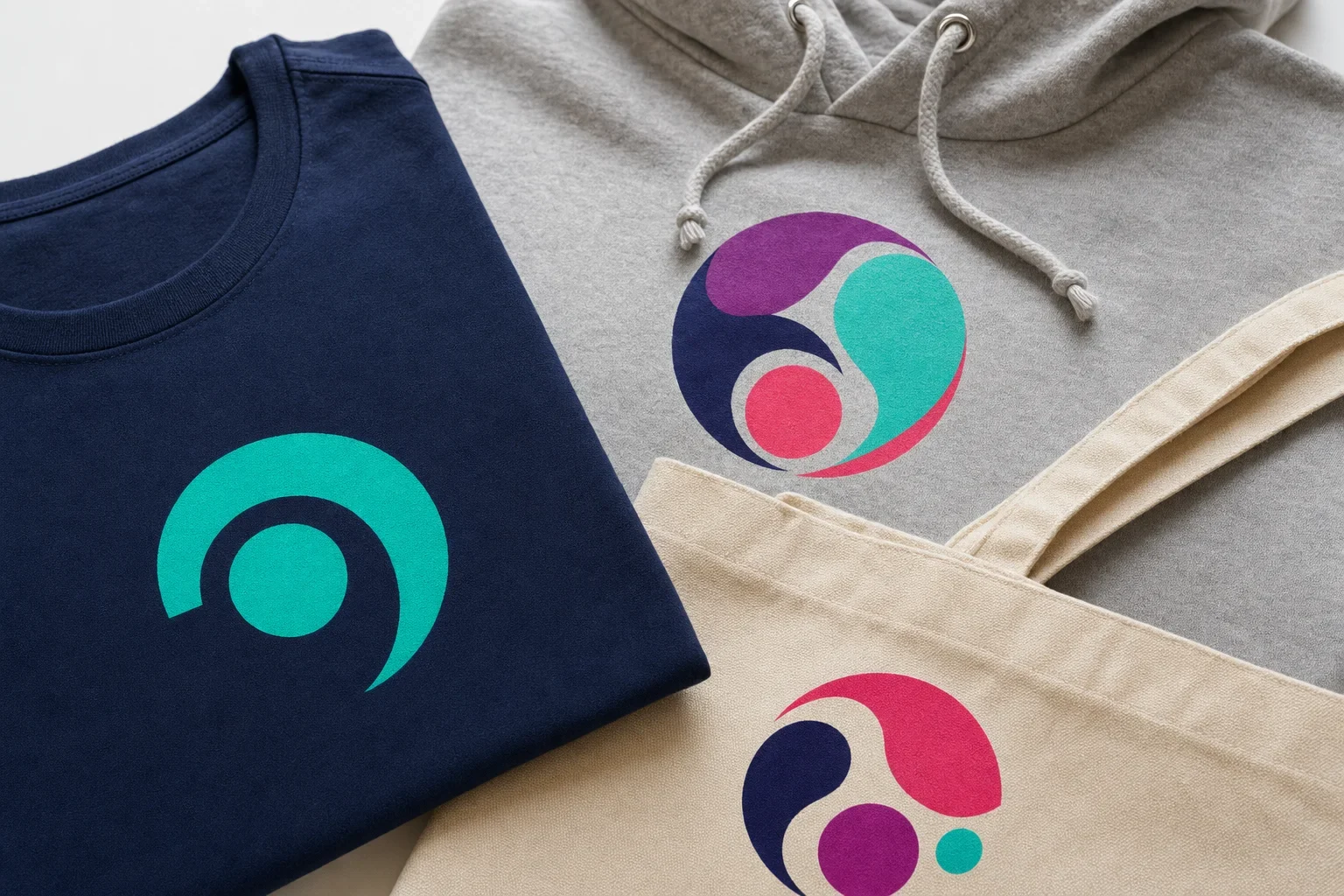
A properly applied screen print can last a long time on the right fabric. A properly applied transfer can also last well when matched to the right product and use. Neither method is automatically durable in every situation.
For apparel, washing instructions matter. For bags, coolers, blankets, and soft goods, the type of use matters. A tote bag used occasionally at a trade show has different durability needs than a hoodie washed every week.
Helpful way to think about it
Durability is not just about the decoration method. It is about whether the method, product, artwork, and use case all make sense together.
Cost Differences Between Screen Printing and Transfers
Cost depends on the product, quantity, logo colors, decoration size, setup, and supplier options.
Screen printing can be cost-effective for larger orders with simple one-color artwork. If each additional screen print color adds setup or production cost, a multi-color screen print may become more expensive or unavailable.
Transfers may cost more than a basic one-color screen print, but they can make sense when the artwork needs multiple colors or full color. In some cases, a transfer may be the most practical way to reproduce the logo correctly.
What Affects Cost?
The final price depends on more than the method name.
Screen Printing vs Transfers for Tote Bags
Tote bags are one of the most common products where customers see both screen print and transfer options.
A simple one-color logo on a basic tote may be perfect for screen printing. But if the logo has multiple colors, fine detail, or full color artwork, a transfer may be required.
This is especially common when a product allows only 1-color screen printing but offers full color transfer as an additional option.
Tote Bag Decoration
The right choice depends on how simple or colorful the logo is.
Screen Print Tote
- Simple logo
- One-color imprint
- Bold artwork
- Budget-conscious quantities
Transfer Tote
- Multiple colors
- Full color artwork
- Detailed logo
- More visual impact
Screen Printing vs Transfers for Apparel
On apparel, the decision often depends on design complexity, garment color, fabric, quantity, and print size.
Screen printing can be a great fit for simple shirt designs, team shirts, event shirts, and larger apparel orders. Transfers can be helpful when the design has more colors, more detail, or when the order includes different garment types or smaller quantities.
Dark garments can also affect the decision because the decoration needs enough opacity to show clearly. Depending on the product and artwork, a transfer may be a better option for full color designs on dark apparel.
For more detail on apparel methods, read our guide to screen printing vs DTG vs DTF.
What If I Pick the Wrong Method?
This is exactly why order review matters.
If you select screen printing but your logo needs multiple colors, full color, or more detail than screen printing can support on that item, Purple Pie Promos will review the order before production. If a transfer is likely to produce a better result, we will help guide you.
The goal is not to make customers decode every decoration method. The goal is to make sure the finished product looks clean, professional, and appropriate for the item.
We check before production
Your order does not go straight from cart to production without review. We look at the product, logo, imprint area, decoration method, and available options. If something does not look right, or if another method would work better, we will help resolve it before the order moves forward.
Common Mistakes When Choosing Between Screen Printing and Transfers
Most issues happen when the artwork is more complex than the selected method can handle.
- Choosing 1-color screen print for a logo that needs multiple colors
- Expecting gradients or shadows to reproduce like full color artwork with screen printing
- Using tiny text that may not print clearly on the selected product
- Assuming transfer means lower quality
- Ignoring how the product material affects decoration
- Choosing a very large solid transfer without considering print feel
- Expecting every product to support every decoration option
- Not reviewing artwork quality before production
Screen Printing vs Transfers Checklist
Before choosing between screen printing and transfers, use this checklist to understand what matters most.
Screen Printing vs Transfers Checklist
A strong decoration choice should fit the artwork, product, and finished look.
Logo Colors
Is the logo one color, several colors, or full color?
Artwork Detail
Does the design include gradients, shadows, tiny text, or fine lines?
Product
Does the item offer 1-color screen print, multi-color transfer, full color transfer, or other options?
Material
Is the product cotton, canvas, polyester, fleece, insulated material, or another fabric?
Finished Look
Should the logo be simple and bold, or colorful and detailed?
Review
Has the decoration method been checked against the artwork before production?
The Bottom Line
Screen printing and transfers are both useful decoration methods. Screen printing is often best for simple, bold, one-color artwork. Transfers are often better when the logo has multiple colors, full color artwork, gradients, or details that screen printing cannot reproduce on that product.
If a product only allows a 1-color screen print but offers a transfer option, that transfer may be the right choice for a multi-color or full color logo.
You do not need to figure it out alone. Purple Pie Promos reviews your artwork, product, imprint area, and decoration options before production to help make sure the final product looks right.
Simple logo? Screen print may be perfect. Colorful logo? Transfer may be smarter.
The best method is the one that matches your artwork and product, not necessarily the one that sounds most familiar.
Transfers are not a downgrade. They are often the reason a colorful logo can be decorated correctly.
Need help choosing between screen printing and transfers?
Purple Pie Promos can review your logo, product, imprint area, and available decoration options to help determine whether screen printing or transfer decoration makes more sense for your order.
Request Decoration Help