

Quick Answer
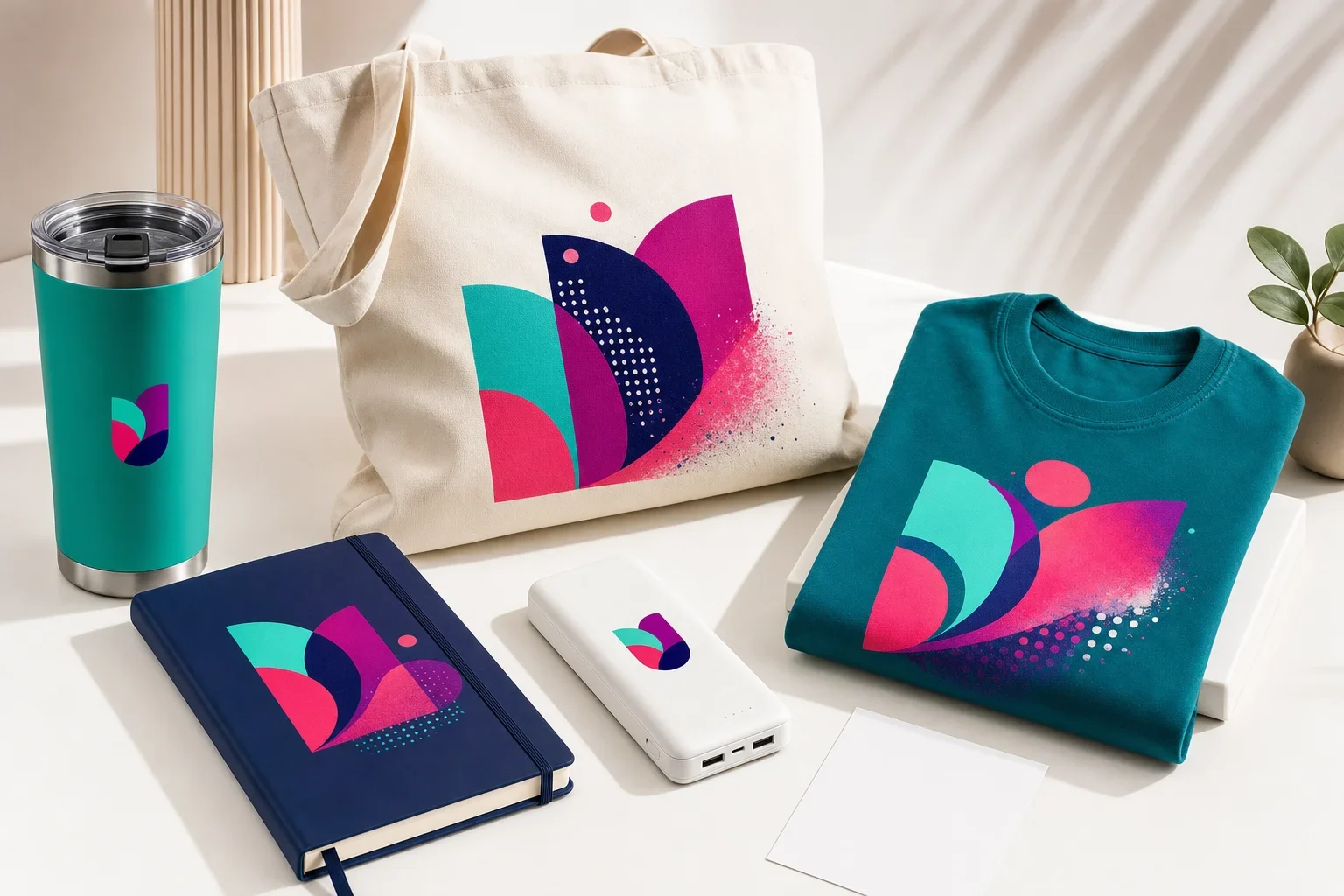
Full color digital printing usually means artwork is printed directly onto the product surface using a digital print process. Full color transfer usually means the artwork is produced separately and then applied to the product with heat, pressure, adhesive, or another application process. Digital printing is often used on hard goods, tech items, notebooks, packaging, and products with compatible flat or smooth surfaces. Full color transfers are often used on apparel, bags, coolers, blankets, and other fabric or soft goods when the logo has multiple colors, gradients, or fine detail.
Full color decoration is helpful when a logo or design has more than one or two simple colors. If your artwork includes gradients, shadows, small details, illustrations, or a full color brand mark, a basic one-color imprint may not be enough.
That is where full color digital printing and full color transfers come in. Both methods can reproduce colorful artwork, but they work differently and are used on different types of products.
The confusing part is that product pages may use similar wording. You may see “full color,” “full color digital,” “digital print,” “full color transfer,” “heat transfer,” “decal,” or other decoration names. These methods can sound interchangeable, but the right choice depends on the item.
This guide explains the difference between full color digital printing and full color transfer decoration, when each one works best, and why one product may offer digital printing while another requires a transfer.
You do not have to choose perfectly
If you are not sure whether your logo should be full color digital printed or applied as a full color transfer, that is completely normal. Purple Pie Promos reviews your artwork, product, imprint area, and available decoration options before production. If another method would create a better result for your logo or product, we will help guide you before the order moves forward.
What Is Full Color Digital Printing?
Full color digital printing applies artwork directly to a product using a digital print process. Instead of creating a separate screen for each color, the artwork is printed in full color from a digital file.
This method is commonly used on products with compatible surfaces, especially hard goods or items with relatively smooth imprint areas. Examples may include power banks, notebooks, phone accessories, tech products, badges, packaging, signs, plaques, drinkware, and other promotional items depending on the product.
Full color digital printing is useful when the artwork has multiple colors, gradients, small details, or a more complex design that would not work well as a simple one-color imprint.
Full Color Digital Printing at a Glance
A strong option when colorful artwork can be printed directly onto a compatible product surface.
Best For
Hard goods, tech items, notebooks, packaging, smooth surfaces, and products that support direct digital print.
Strengths
Good for multi-color logos, gradients, detailed artwork, and digital designs without separate screens.
Watch Out For
Product surface, material, imprint area, texture, color matching, and whether the item supports digital printing.
What Is a Full Color Transfer?
A full color transfer is a decoration method where the artwork is printed or produced separately and then applied to the product. Depending on the product and process, the transfer may be applied with heat, pressure, adhesive, or another application method.
Full color transfers are especially common on apparel, bags, coolers, blankets, soft goods, and fabric products. They can reproduce logos with multiple colors, gradients, small details, and full color artwork when a simple screen print will not work.
Transfers are also helpful when a product only allows a 1-color screen print but can support a full color transfer. In that situation, the transfer option is often what makes the colorful logo possible.
Full Color Transfers at a Glance
A strong option when colorful artwork needs to be applied to fabric, apparel, bags, or soft goods.
Best For
Apparel, tote bags, coolers, blankets, soft goods, and products that need colorful or detailed artwork.
Strengths
Can support multiple colors, full color logos, gradients, and more detail than many screen print options.
Watch Out For
Print feel, product material, heat sensitivity, application area, and how large or solid the artwork is.
Full Color Digital vs Full Color Transfer: Main Difference
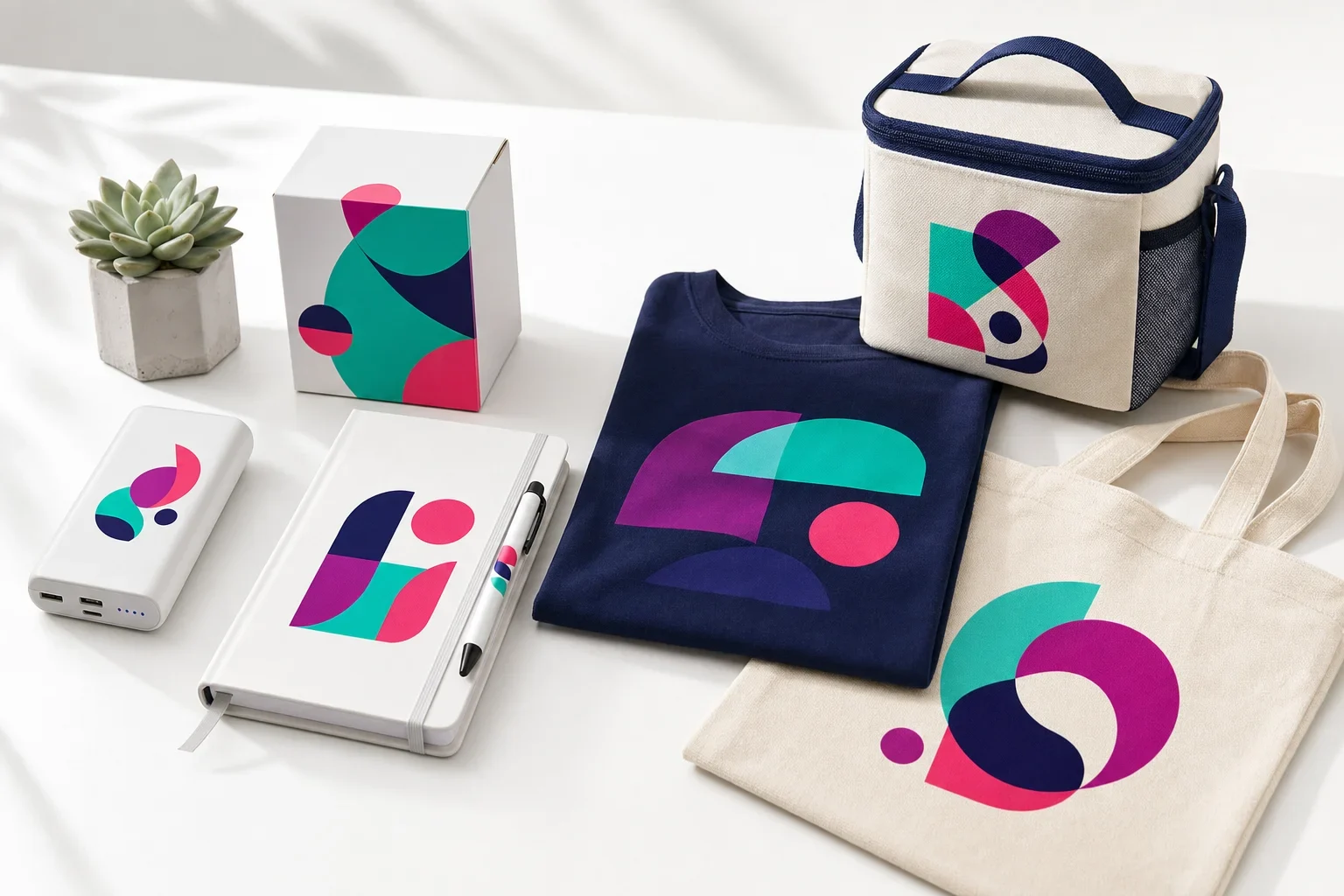
The simplest difference is this: full color digital printing is usually printed directly onto the product, while a full color transfer is produced separately and then applied to the product.
That difference affects which products can use each method, how the decoration feels, how it interacts with the product material, and how the artwork is reproduced.
Full Color Digital vs Full Color Transfer
Both can reproduce colorful artwork, but they are applied differently.
Full Color Digital
- Printed directly onto the product
- Often used on hard goods and smooth surfaces
- Good for detailed logos and colorful artwork
- Depends heavily on product material and surface
Full Color Transfer
- Produced separately, then applied
- Often used on apparel, bags, and soft goods
- Good for multi-color and full color designs
- Can be useful when screen print is limited
When Full Color Digital Printing Is Usually Best
Full color digital printing is usually best when the product has a compatible surface and the artwork can be printed directly onto the item.
This method is often chosen for hard goods, tech items, notebooks, packaging, decals, signs, badges, and other products where direct digital printing is available. It can be a good option when you want a clean full color logo without using separate print colors or screens.
It is especially useful for artwork with multiple colors, small details, gradients, or more complex graphics.
Good Fit for Full Color Digital Printing
Digital printing works best when the product surface supports direct full color printing.
Hard Goods
Power banks, tech accessories, drinkware, badges, packaging, and select promotional items.
Smooth Surfaces
Products with flat or compatible imprint areas are often better candidates.
Detailed Artwork
Useful for logos with many colors, gradients, small details, or full color graphics.
Direct Print Look
Good when the artwork should appear printed directly onto the product surface.
When Full Color Transfers Are Usually Best
Full color transfers are usually best when the product material or shape makes direct digital printing less practical, or when the artwork needs more color and detail than a simple screen print can support.
This is common with apparel, tote bags, coolers, blankets, backpacks, lunch bags, and other fabric or soft goods. Transfers can allow logos with multiple colors, gradients, outlines, and full color artwork to be applied to products that may only support a 1-color screen print otherwise.
If the product page offers both 1-color screen print and full color transfer, the transfer option is often there for designs that need more visual detail.
Good Fit for Full Color Transfers
Transfers are helpful when a colorful design needs to go on apparel, bags, or soft goods.
Apparel
T-shirts, hoodies, jackets, performance apparel, and other garments depending on fabric and artwork.
Bags and Totes
Useful when a bag only allows 1-color screen print but the logo needs multiple colors.
Soft Goods
Coolers, blankets, lunch bags, pouches, and similar products may use transfer decoration.
Full Color Logos
Helpful for artwork with gradients, shadows, small details, or colorful brand marks.
Why Some Products Offer Digital Printing and Others Offer Transfers
Decoration options are product-specific. A power bank may support full color digital printing because it has a smooth, compatible surface. A tote bag may use a full color transfer because the fabric and texture are better suited to an applied transfer than direct digital printing.
The supplier, equipment, item shape, material, coating, texture, and imprint area all affect which decoration methods are available.
This is why two products that look similar may have different full color options. One bottle may offer full color digital printing, while another may offer a full color decal. One tote may only offer a 1-color screen print, while another may allow a full color transfer.
This is normal
If one product offers full color digital and another offers full color transfer, it does not mean one product is automatically better. It usually means the products are made from different materials, have different surfaces, or are decorated with different equipment.
Are Full Color Transfers Lower Quality Than Digital Printing?
No, not automatically. Full color transfers are not a downgrade. They are a different method for a different type of product or artwork.
A full color digital print may be the right choice for a power bank, notebook, or smooth hard good. A full color transfer may be the right choice for a hoodie, tote bag, cooler, or blanket. The best method is the one that works for the product and reproduces the artwork cleanly.
Quality depends on the product, artwork, decoration method, application process, and intended use.
Better Question: Which Method Fits?
The best result comes from matching the method to the product and artwork.
Does Full Color Digital Feel Different Than a Transfer?
Yes, it can. Full color digital printing is usually applied directly to the product surface, so the finished feel depends on the product material and print process.
A full color transfer is applied onto the surface, which means the decoration may have a slightly different feel, especially on apparel or fabric items. The feel depends on the transfer type, artwork size, product material, and how much solid coverage is in the design.
On fabric items, a large solid transfer may feel more noticeable than a small logo. On hard goods, a digital print may feel smoother or more integrated with the surface, depending on the item.
What Affects Decoration Feel?
Feel depends on the method, product surface, and design itself.
Design Size
Larger logos and solid artwork areas usually feel more noticeable.
Product Material
Fabric, plastic, metal, coated surfaces, and textured items all feel different.
Decoration Method
Direct digital print and applied transfers create different surface finishes.
Artwork Coverage
Open artwork can feel lighter than a large block of solid printed color.
Which Method Is Better for Apparel?
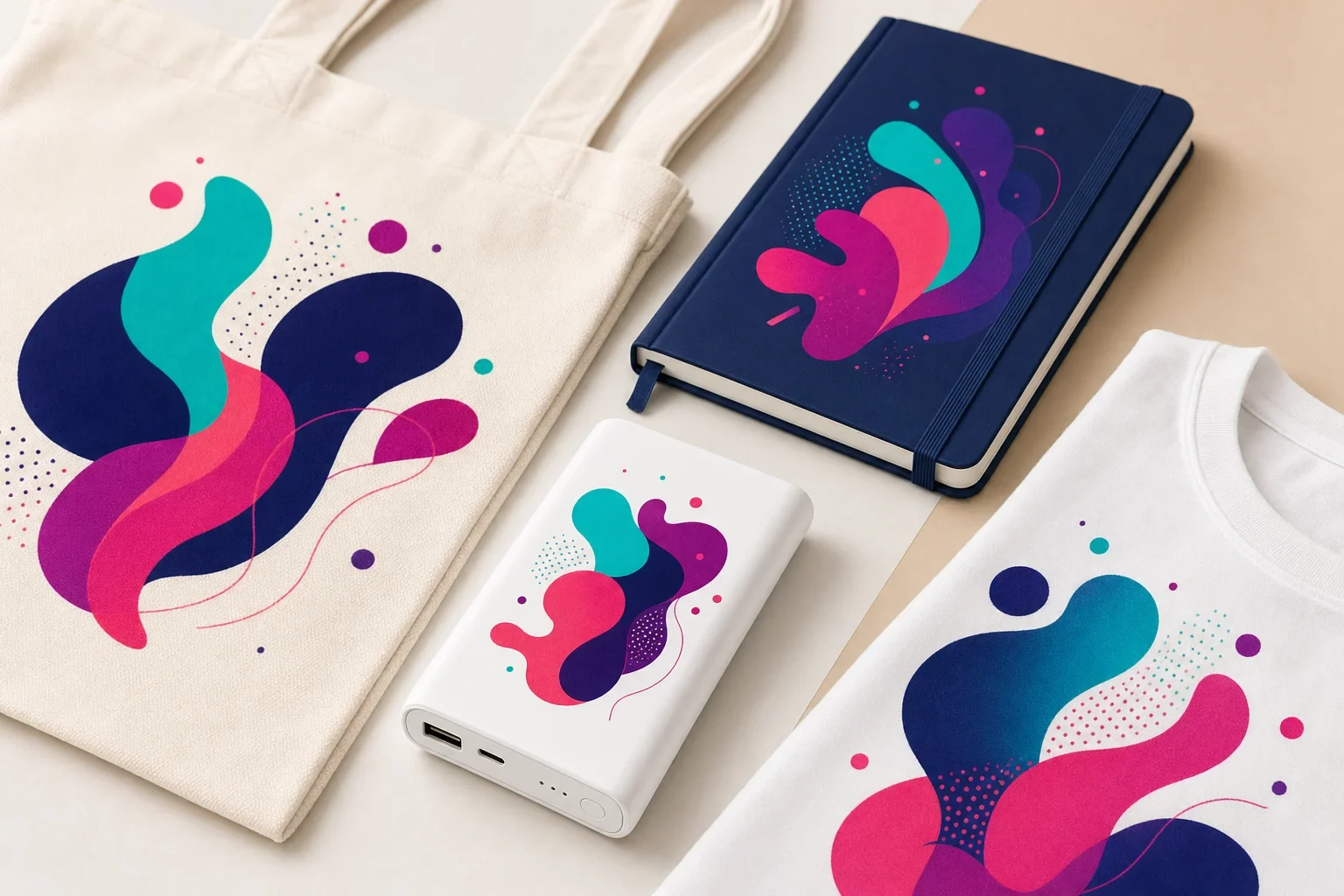
For apparel, full color transfers are often more common than full color digital printing on promotional product orders, especially when the artwork is colorful or detailed.
Depending on the garment and supplier, full color apparel decoration may also involve methods like DTF, DTG, sublimation, or other transfer processes. The best choice depends on the shirt color, fabric, quantity, artwork, and desired feel.
If the product offers screen print and transfer, and your logo has multiple colors, the transfer option may be the better fit.
For more detail, read our guide to screen printing vs DTG vs DTF and screen printing vs transfers.
Which Method Is Better for Bags and Totes?
Bags and totes often have textured fabric surfaces, seams, pockets, handles, and imprint limitations. A simple one-color logo may screen print well, but a full color logo may require a transfer.
This is especially common on tote bags, coolers, lunch bags, backpacks, and non-woven bags. If the product only allows a 1-color screen print, the full color transfer option may be what makes your colorful logo possible.
Full Color on Bags and Totes
Transfers are often used when a colorful logo needs to go on fabric or soft goods.
Simple Bag Artwork
- One-color logo
- Bold shapes
- Clean text
- May work as screen print
Full Color Bag Artwork
- Multiple colors
- Gradients or shadows
- Detailed graphics
- May need full color transfer
Which Method Is Better for Hard Goods?
For hard goods, full color digital printing is often used when the product has a compatible surface. This can include items like power banks, tech accessories, notebooks, drinkware, badge holders, signs, packaging, and other items depending on the product.
Some hard goods may use full color decals instead of direct digital printing. A decal is different from both direct digital printing and many fabric transfers, but the goal is similar: to reproduce colorful artwork on a product that may not support a simple ink imprint.
Because hard goods vary so much in shape and material, the available method is usually determined by the product itself.
Full Color on Hard Goods
Hard goods often use the method that fits the surface, shape, and material.
Digital Print
Often used when the product has a compatible surface for direct full color printing.
Decal
Can be used when colorful artwork needs to be applied to certain hard goods or curved surfaces.
Pad Print
Often used for simpler logos on small or curved hard goods, usually with fewer colors.
Laser Engraving
Great for subtle marks on metal, but not used for full color reproduction.
What About Color Matching?
Full color methods can reproduce colorful artwork, but they may not always match exact brand colors the same way a specific spot color imprint might.
Digital print, transfer, decal, sublimation, and other full color methods use process color or digital color reproduction. The final result can be affected by the product material, surface color, coating, fabric, print process, and lighting.
If exact color matching is critical, it is important to discuss that before production. Some methods and products offer better control than others.
Full color does not always mean exact color matching
Full color decoration is great for colorful logos and detailed artwork, but exact brand color matching can vary by product and method. Purple Pie Promos reviews artwork and decoration options before production to help set realistic expectations.
What Artwork Works Best for Full Color Methods?
Full color decoration is useful for detailed artwork, but the artwork still needs to be good quality. A blurry, low-resolution logo will not become sharp just because the method is full color.
High-resolution artwork, vector files, transparent backgrounds, and clean logo files can all help improve the finished result. Small text, thin lines, and complex gradients should still be reviewed carefully.
For more detail, read our guide to what vector artwork is and why artwork quality matters.
Good Artwork for Full Color Decoration
Full color methods can reproduce more detail, but the file still matters.
High Resolution
Raster artwork should be large and clear enough for the imprint size.
Vector Preferred
Vector files are often best for logos because they scale cleanly.
Clean Edges
Sharp artwork usually reproduces better than blurry or compressed images.
Readable Details
Small text and thin lines still need to be large enough to print clearly.
Cost Differences Between Full Color Digital and Full Color Transfer
Cost depends on the product, quantity, decoration size, artwork, setup, production method, and supplier. There is no universal rule that full color digital is always cheaper or more expensive than full color transfer.
Digital printing can be practical when the product supports direct full color printing. Transfers can be practical when the artwork needs full color reproduction on fabric or soft goods.
The important thing is comparing the method that actually works for the product and artwork, not just comparing names.
What Affects Full Color Decoration Cost?
The final price depends on the product and the production requirements.
What If I Choose the Wrong Full Color Method?
In many cases, you may not need to choose the exact method on your own. Some products only offer one full color method, while others show multiple options.
If you select a method that does not work well for your logo or product, Purple Pie Promos reviews the order before production. If full color digital is not available or a full color transfer would produce a better result, we will help guide you.
We check before production
Your order does not go straight from cart to production without review. We look at the product, artwork, imprint area, available decoration methods, and proof before production begins. If a different full color method makes more sense, we will help address it before moving forward.
Common Mistakes With Full Color Decoration
Full color decoration can make a product look great, but only when the method, product, and artwork are matched correctly.
- Assuming full color digital and full color transfer are the same process
- Expecting every product to support every full color method
- Using low-resolution artwork and expecting it to print sharply
- Expecting exact color matching without checking method limitations
- Choosing a large solid transfer without considering print feel
- Using tiny text that may not reproduce clearly
- Ignoring product texture, seams, coating, or imprint area
- Assuming a transfer is lower quality just because it is applied separately
Full Color Digital vs Full Color Transfer Checklist
Before choosing between full color digital printing and full color transfer decoration, use this checklist to understand what matters most.
Full Color Decoration Checklist
A strong decoration choice should fit the product, artwork, and desired finish.
Product Type
Is the item a hard good, apparel item, bag, soft good, notebook, drinkware item, or tech product?
Material
Is the surface smooth, textured, coated, fabric, metal, plastic, leatherette, or paper?
Artwork Detail
Does the design include multiple colors, gradients, shadows, small text, or fine lines?
Decoration Feel
Should the logo feel printed directly on the surface or is an applied transfer acceptable?
Color Expectations
Do brand colors need to be close, or is exact matching critical?
Review
Has the artwork and full color method been reviewed before production?
The Bottom Line
Full color digital printing and full color transfers are both useful decoration methods for colorful logos and detailed artwork. Full color digital printing usually applies the artwork directly to a compatible product surface. Full color transfers are produced separately and then applied to the product.
Digital printing is often a good fit for hard goods, tech items, notebooks, packaging, and smooth compatible surfaces. Transfers are often a good fit for apparel, bags, coolers, blankets, and soft goods, especially when a logo needs multiple colors or full color artwork.
You do not need to figure out the method alone. Purple Pie Promos reviews your artwork, product, imprint area, and available decoration options before production so the selected full color method makes sense for your order.
Full color is not one single method
The right full color decoration method depends on the product, material, artwork, and finished look you want.
Digital printing and transfers can both create colorful results. The best choice is the one that fits the item.
Need help choosing a full color decoration method?
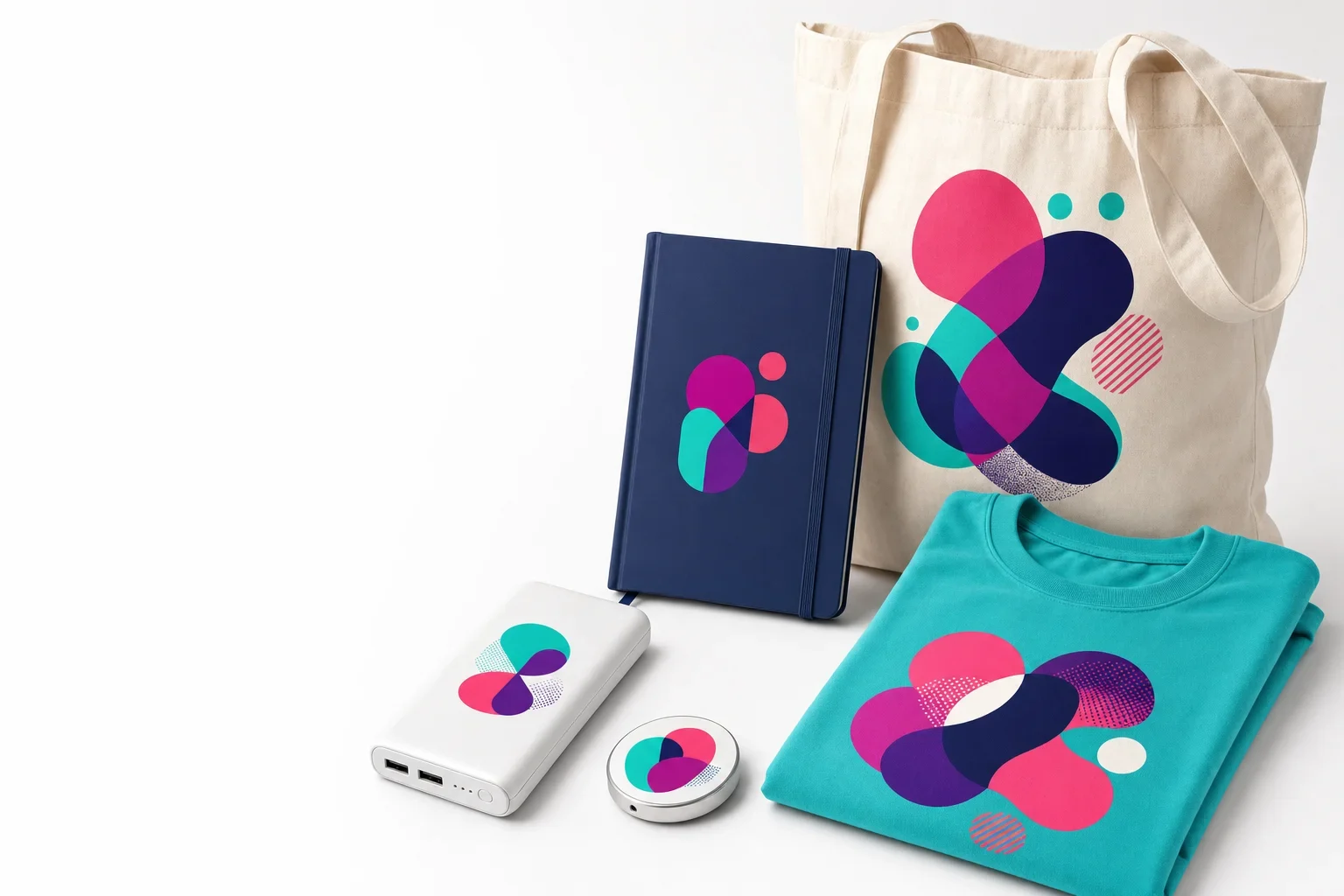
Purple Pie Promos can review your logo, product, imprint area, and available decoration options to help determine whether full color digital printing, full color transfer, decal, or another method makes the most sense.
Request Full Color Decoration Help